


Mastering Aluminum Welding Techniques: Aluminum Welding Insights
Aluminum welding requires specific skills and knowledge to achieve strong, clean, and durable joints. Unlike steel, aluminum has unique properties that make it more challenging to weld. In this post, I share practical insights and techniques to help you master aluminum welding. Whether you are working on small repairs or custom projects, understanding these fundamentals will improve your results and efficiency.
Understanding Aluminum Welding Insights
Aluminum is a lightweight metal with excellent corrosion resistance and thermal conductivity. These properties make it popular in many industries, including automotive, aerospace, and construction. However, aluminum also has a low melting point and forms a tough oxide layer on its surface. This oxide layer melts at a much higher temperature than the base metal, which can cause welding difficulties.
To weld aluminum successfully, you need to control heat input carefully and prepare the material properly. Cleaning the surface to remove oxides and contaminants is essential. Using the right filler material and welding process also plays a critical role. Common welding methods for aluminum include TIG (Tungsten Inert Gas), MIG (Metal Inert Gas), and sometimes stick welding for thicker sections.
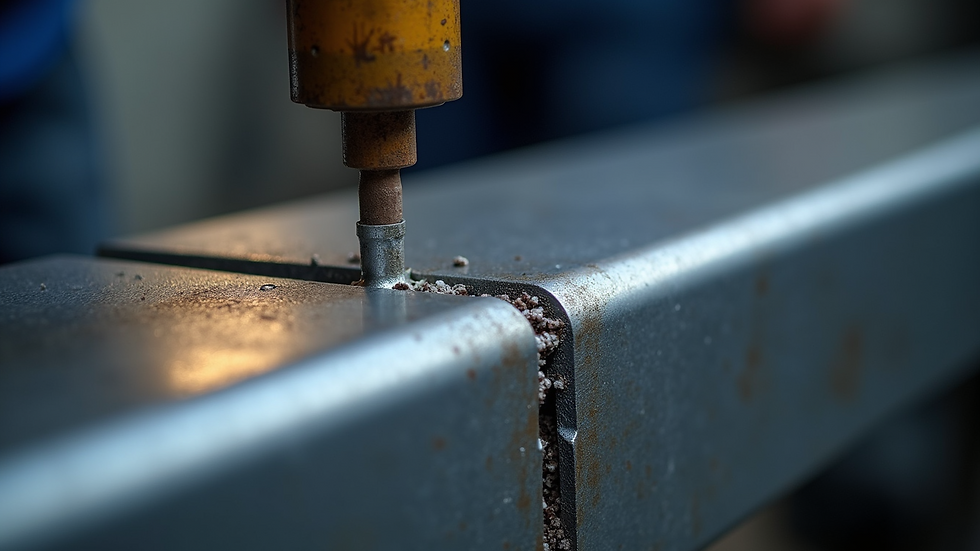
Essential Equipment and Materials for Aluminum Welding
Choosing the right equipment and materials is the first step toward mastering aluminum welding. Here are the essentials:
Welding Machine: TIG and MIG welders are preferred for aluminum. TIG offers better control and precision, while MIG is faster and easier for beginners.
Filler Rods and Wire: Use aluminum-specific filler materials such as 4045, 4047, or 5356 alloys. The choice depends on the base metal and application.
Shielding Gas: Pure argon or argon-helium mixtures protect the weld pool from oxidation.
Cleaning Tools: Use stainless steel wire brushes and chemical cleaners to remove the oxide layer before welding.
Protective Gear: Always wear appropriate gloves, helmet, and clothing to protect against UV radiation and hot metal.
Proper setup and maintenance of your equipment ensure consistent weld quality. For example, using a spool gun with your MIG welder helps feed soft aluminum wire smoothly, reducing wire tangles and burnbacks.
Can you weld aluminum with a regular welder?
Many people ask if a regular welder can handle aluminum. The answer depends on what you mean by "regular welder." Most basic stick welders or flux-cored machines are not suitable for aluminum due to its unique properties.
Aluminum requires a welder capable of delivering a stable arc and using inert gas shielding. TIG and MIG welders designed for aluminum are the best choices. TIG welding provides precise heat control, which is crucial for thin aluminum sheets. MIG welding with a spool gun is effective for thicker sections and faster work.
If you only have a basic welder, you might attempt aluminum welding, but the results will likely be poor. The welds may have porosity, cracking, or weak joints. Investing in the right equipment or outsourcing to a specialist is a better option for quality and safety.
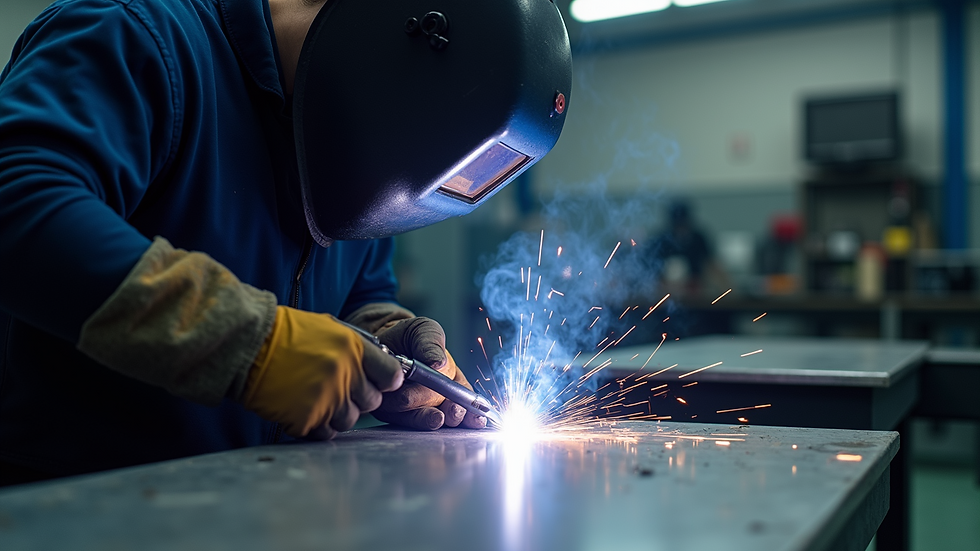
Step-by-Step Aluminum Welding Process
Mastering aluminum welding involves following a clear process. Here is a step-by-step guide:
Preparation
Clean the aluminum surface thoroughly using a stainless steel wire brush and acetone or a dedicated aluminum cleaner.
Remove all dirt, oil, and oxide layers to prevent contamination.
Setup
Select the appropriate welding machine and filler material.
Set the correct amperage based on the thickness of the aluminum.
Use pure argon gas for shielding.
Tack Welding
Apply small tack welds to hold the pieces in place.
Ensure proper alignment before proceeding.
Welding
Use a steady hand and maintain a consistent travel speed.
For TIG welding, use a filler rod and feed it into the weld pool smoothly.
For MIG welding, maintain the correct gun angle and distance.
Cooling
Allow the weld to cool naturally. Avoid rapid cooling, which can cause cracking.
Inspection and Finishing
Check the weld for defects such as porosity, cracks, or undercut.
Grind or polish the weld if necessary for aesthetics or fit.
Following these steps helps produce strong, clean welds that meet structural and visual requirements.
Tips for Improving Aluminum Welding Quality
Improving your aluminum welding skills requires attention to detail and practice. Here are some tips that I find useful:
Control Heat Input: Aluminum melts quickly. Use lower amperage and faster travel speeds to avoid burn-through.
Use AC TIG Welding: Alternating current helps break up the oxide layer during TIG welding, improving penetration.
Preheat Thick Sections: For aluminum thicker than 1/4 inch, preheating to 300°F - 400°F reduces thermal stress.
Maintain Cleanliness: Always clean the metal before welding. Even small amounts of oil or dirt cause defects.
Practice Proper Technique: Keep a consistent torch angle (about 15 degrees) and maintain a short arc length.
Use Back Purging: For critical welds, use back purging with argon to protect the backside of the weld.
By applying these tips, you can reduce common problems like porosity, cracking, and weak joints.
Building Expertise in Aluminum Welding for Local Projects
Becoming proficient in aluminum welding opens opportunities for various local projects. From repairing aluminum trailers and boats to fabricating custom parts, the demand for skilled welders is strong. Southern Metals Fabrication LLC focuses on delivering quality and reliable service in Merritt Island. We understand the importance of precision and durability in every weld.
If you want to improve your skills or need professional help, consider partnering with experienced fabricators. They can provide guidance, training, or take on complex jobs that require advanced techniques.
For those interested in learning more about welding aluminum, exploring hands-on workshops or online tutorials can be valuable. Consistent practice and understanding the metal’s behavior are key to mastering this craft.
Mastering aluminum welding techniques requires patience, the right tools, and a clear process. By following the guidelines and tips shared here, you can achieve strong, clean welds that meet your project needs. Whether you are handling repairs or custom fabrication, investing in knowledge and quality equipment pays off in the long run.


Comments